


Hey there! As a supplier of Flatbed Semi Trailer Tippers, I've seen firsthand the importance of knowing the proper way to park these beasts. It's not just about finding a spot and calling it a day; there are some key things to keep in mind to ensure safety and efficiency. So, let's dive into it!
First off, let's talk about why proper parking matters. Flatbed Semi Trailer Tippers are large and heavy vehicles, and if they're not parked correctly, they can pose a significant risk to themselves, other vehicles, and pedestrians. Improper parking can lead to accidents, damage to the trailer, and even fines. Plus, it just makes life easier for everyone if these trailers are parked in an organized and safe manner.
Choosing the Right Parking Spot
The first step in proper parking is finding the right spot. You want to look for a flat, stable surface that can support the weight of the trailer. Avoid parking on slopes, uneven ground, or soft soil, as this can cause the trailer to tip over or sink. If you're in a parking lot, look for designated spots for large vehicles or semi-trailers. These spots are usually wider and longer, giving you plenty of room to maneuver.
It's also important to consider the surrounding area. Make sure there are no obstacles, such as other vehicles, buildings, or trees, that could prevent you from safely parking or exiting the trailer. You should also be aware of any traffic patterns or pedestrian walkways in the area to avoid blocking them.
Preparing the Trailer for Parking
Before you park the trailer, there are a few things you need to do to prepare it. First, make sure the trailer is empty. If you're carrying a load, it's best to unload it before parking to reduce the weight and prevent any shifting that could cause the trailer to tip. Next, lower the landing gear to support the front of the trailer. The landing gear should be fully extended and firmly planted on the ground to prevent the trailer from moving.
You should also engage the parking brake on both the tractor and the trailer. This will prevent the trailer from rolling while it's parked. Additionally, make sure all the lights on the trailer are turned off to conserve battery power.
Parking the Trailer
Once you've found the right spot and prepared the trailer, it's time to park it. Start by pulling the tractor and trailer into the parking spot slowly and carefully. Use your mirrors to guide you and make sure the trailer is centered in the spot. If you're backing into the spot, take your time and use a spotter if necessary.
When you're in the spot, make sure the trailer is straight and level. You can use a level to check the trailer's alignment. If the trailer is not level, adjust the landing gear to level it out. Once the trailer is level, apply the parking brake on the tractor and turn off the engine.

Securing the Trailer
After you've parked the trailer, it's important to secure it to prevent it from being stolen or damaged. First, lock all the doors and hatches on the trailer. You can also use a trailer lock or a wheel chock to prevent the trailer from rolling. If you're parking the trailer for an extended period of time, you may want to consider using a security system or a tracking device to monitor the trailer's location.
Exiting the Parking Spot
When it's time to leave the parking spot, there are a few things you need to do to ensure a safe exit. First, start the tractor and release the parking brake. Make sure the landing gear is fully retracted and stowed. Then, slowly pull the tractor forward to disengage the trailer from the parking spot. Use your mirrors to check for any obstacles or other vehicles in the area.
If you're backing out of the spot, take your time and use a spotter if necessary. Make sure you have enough room to maneuver and that you're not blocking any traffic or pedestrian walkways. Once you're out of the spot, you can continue on your journey.
Different Types of Flatbed Semi Trailer Tippers
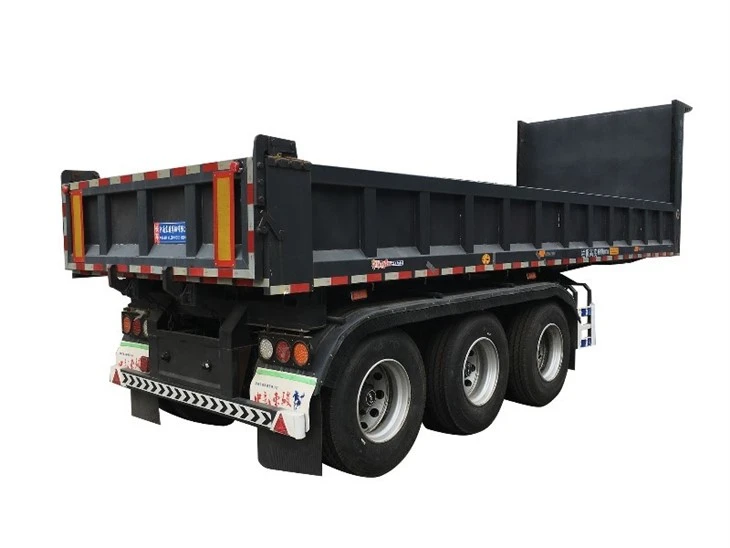
As a supplier, I offer a variety of Flatbed Semi Trailer Tippers, including 40ft Tri-Axle Flatbed Trailer Tipper, Rear Dump Semi Trailer, and Side Dump Semi Trailer. Each type of trailer has its own unique features and benefits, and the proper parking procedures may vary slightly depending on the type of trailer you have.
For example, a rear dump semi-trailer has a hydraulic system that allows the trailer to dump its load out the back. When parking a rear dump semi-trailer, you need to make sure the hydraulic system is turned off and the dump body is in the down position. A side dump semi-trailer, on the other hand, has a hydraulic system that allows the trailer to dump its load out the side. When parking a side dump semi-trailer, you need to make sure the hydraulic system is turned off and the dump body is in the upright position.
Conclusion
Proper parking of a Flatbed Semi Trailer Tipper is essential for safety and efficiency. By following these tips and procedures, you can ensure that your trailer is parked safely and securely, reducing the risk of accidents and damage. Remember to always choose the right parking spot, prepare the trailer for parking, park the trailer carefully, secure it properly, and exit the parking spot safely.
If you're in the market for a Flatbed Semi Trailer Tipper, I encourage you to check out our selection of 40ft Tri-Axle Flatbed Trailer Tipper, Rear Dump Semi Trailer, and Side Dump Semi Trailer. We offer high-quality trailers at competitive prices, and our team of experts can help you choose the right trailer for your needs. Contact us today to learn more and start the purchasing process.
References
- Commercial Vehicle Safety Alliance (CVSA). (n.d.). Parking and Securing Commercial Motor Vehicles. Retrieved from [CVSA Website]
- Federal Motor Carrier Safety Administration (FMCSA). (n.d.). Safe Parking for Commercial Motor Vehicles. Retrieved from [FMCSA Website]
- National Highway Traffic Safety Administration (NHTSA). (n.d.). Large Truck and Bus Safety. Retrieved from [NHTSA Website]