Why Choose Us
Extensive Product Range
We provide a wide range of high-quality products suitable for various industries. Whether you need machinery, raw materials, or finished products, we have it all. Our diverse product range ensures that you can find everything you need in one place, making your sourcing process more convenient and efficient.
Quality Assurance
We understand the importance of quality. All our products undergo stringent quality control measures to ensure they meet international standards. We work closely with reputable manufacturers and suppliers to guarantee the superior quality of our products. With us, you can be confident in the reliability and durability of your purchases.
Competitive Pricing
We strive to offer our customers the best value for their money. Our team is dedicated to negotiating competitive prices with our suppliers, allowing us to pass on cost savings to our clients. You can trust that our prices are reasonable and suitable for various budget requirements.
Efficient Logistics
We have a well-developed logistics system in place to ensure prompt and efficient delivery of your orders. Whether you are located locally or internationally, we can handle the logistics to ensure your products reach you on time and in perfect condition. Our experienced team prioritizes customer satisfaction and takes all necessary measures to ensure hassle-free shipping processes.
What is Side Dump Semi Trailer?
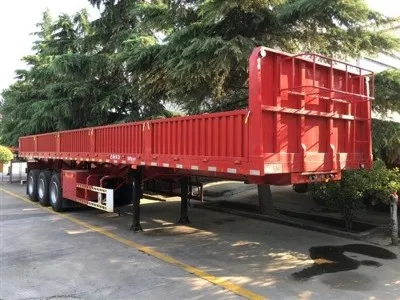
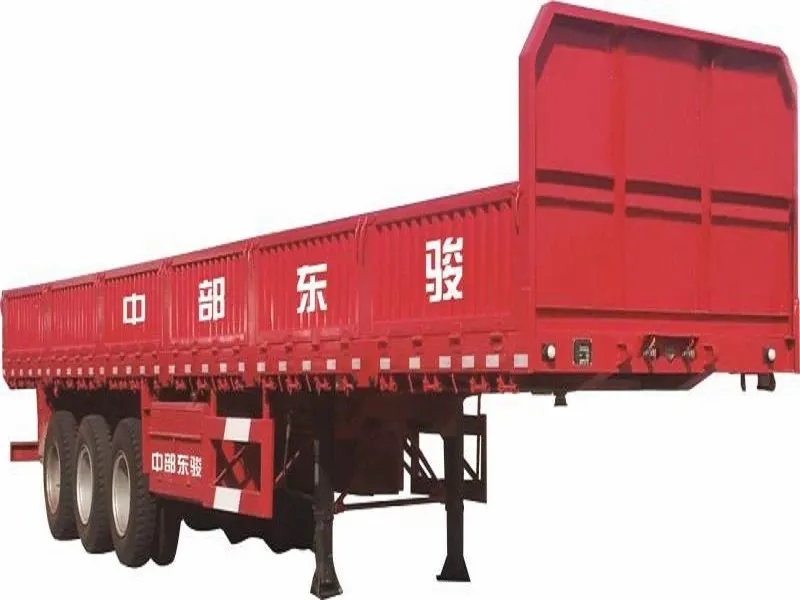
A side dump semi-trailer is a type of dump truck that has a tilting bed which allows the materials to be unloaded from the side. The bed is divided into two halves which can tilt independently, allowing each half to be unloaded separately. This makes it useful for applications where multiple types of materials need to be carried and unloaded separately.


![[[smallImgAlt]]](https://www.reddinchina.com/uploads/202340432/tri-axles-flatbed-semi-trailer-tippera64da0a8-5331-4332-acaf-212c70fcab2c.jpg "product-1-1")
![[[smallImgAlt]]](https://www.reddinchina.com/uploads/202340432/tri-axles-flatbed-trailer-tipper1367d487-c717-4baa-aa41-1cd445faf410.jpg "product-1-1")
Increased Visibility:
The side dump design allows for improved visibility during the dumping process.
Drivers can easily monitor the flow of materials without obstructed views, reducing the risk of accidents and spillage.
Efficient Unloading:
Materials can be quickly and efficiently unloaded without having to reverse the vehicle into a dumping area.
The side dump mechanism facilitates a smooth discharge, minimizing waste and saving time.
Reduced Material Loss:
With precise control over the dumping angle, less material is lost during the unloading process compared to end dumps.
Less spillage means more material delivered to the job site, increasing overall productivity.
Flexibility in Tight Spaces:
Side dump semi-trailers can maneuver in tighter areas than conventional dump trucks.
This flexibility is particularly useful in urban environments or construction sites with limited space.
Improved Maneuverability:
The semi-trailer's design allows for better steering capabilities and tighter turning radius.
And the side dump semi trailer can navigate through congested areas and narrow roads more effectively.
Multiple Compartments:
Some side dump trailers feature compartments that can be individually controlled.
This enables the transportation and separate dumping of different materials in one load, which is ideal for multi-material jobs.
Reduced Cross Contamination:
By using individual compartments, there is less chance of materials mixing or cross-contamination.
This is especially important for projects that require segregation of waste types or for maintaining product purity.
Enhanced Safety:
The side dump unloading mechanism is generally considered safer than traditional rear dumps.
There is less likelihood of the truck becoming stuck or losing control during the dumping procedure.
Versatility Across Applications:
Side dump semi-trailers are versatile and can be used for a wide range of applications.
They are suitable for transporting various materials, including construction aggregates, demolition waste, and agricultural products.
Reduced Equipment Wear:
The hydraulic system used in side dump trailers experiences less friction and shock loading compared to end dumps.
This can lead to longer component life and reduced maintenance costs over time.
Environmentally Friendly:
Side dump trailers reduce the amount of material scattered along roads, which is better for the environment.
They contribute to the reduction of waste and promote more sustainable practices.
Cost-Effectiveness:
Although initial investment may be higher, the efficiency gains and lower maintenance costs can offset these expenses over time.
Operational savings from reduced fuel consumption and optimized load handling can make side dump trailers a cost-effective choice.
How does a Side Dump Semi-Trailer work?
Loading Process:
The side dump semi-trailer is positioned beneath a loading hopper, chute, or conveyor belt.
Materials (such as soil, gravel, coal, etc.) flow into the main compartment of the trailer through an open gate at the back.
The load is distributed evenly throughout the trailer to prevent shifting during transit and to maintain stability.
Securing the Load:
Once loaded, the tarp or cover is pulled over the load to protect it from weather conditions and to prevent spills.
Straps or chains may be used to further secure the load, especially for heavier materials, to prevent movement during transport.
Transportation Phase:
The loaded semi-trailer is hitched to a tractor unit and driven to the desired location.
The driver maneuvers the vehicle carefully to avoid sharp turns that could dislodge the load.
Unloading Mechanism:
The side dump semi-trailer features a hydraulic system that powers the dumping mechanism.
Hydraulic cylinders are activated to start the tilting process. These cylinders are connected to the frame of the trailer and the dump body.
As the hydraulic pressure builds up, it causes the dump body to slowly tilt upwards and outward toward the roadside.
Dumping Procedure:
The angle of the dump body increases until it reaches approximately 45 degrees, at which point the weight of the materials aids in the unloading process.
The materials begin to slide down thedumped out onto the ground next to the road.
The driver controls the rate
Completion and Returning to Level Position:
Once the materials have been fully dumped, the hydraulic pressure is released.
The dump body smoothly returns to its original level position under the control of the hydraulic system.
The driver then disconnects the semi-trailer from the tractor unit and prepares the trailer for its next load.
What kind of hydraulic fluid should I use in my Side Dump Semi-Trailer?
Compatibility with System Components:
The hydraulic fluid must be compatible with the seals, hoses, and other components of your system.
Using an inappropriate fluid can cause damage to the components and potentially result in leaks.
Operating Temperature Range:
Choose a fluid that is designed to perform within the temperature range your vehicle will encounter.
Fluids with a broad operating temperature range can ensure optimal performance in varying weather conditions.
Viscosity Index (VI):
A high VI indicates that the fluid will maintain its viscosity at a wider range of temperatures, providing consistent performance.
A stable viscosity is important for proper lubrication and efficient power transfer in the hydraulic system.
Antioxidation Properties:
Oxidation can cause sludge formation and varnish buildup inside the hydraulic system.
Select a fluid with good antioxidant properties to prevent such issues and extend the life of your hydraulic components.
Foaming Resistance:
Foaming can lead to reduced efficiency and potential damage to the hydraulic system.
Choose a fluid with low foaming characteristics to ensure smooth operation.
Contaminant Control:
The hydraulic fluid should help control contaminants such as water, air, and dirt, which can affect the performance of the system.
Some fluids contain additives that aid in the removal of contaminants.
Environmental Considerations:
Depending on the region and environmental regulations, you might need to choose a biodegradable hydraulic fluid.
Such fluids minimize the impact on the environment in case of spills or leaks.
Maintenance and Service Life:
Opt for a hydraulic fluid that offers good maintenance intervals and a long service life.
The aide dump semi trailer can help reduce maintenance costs and increase the uptime of your side dump semi-trailer.
Brand Reputation and Quality Assurance:
Consider choosing a reputable brand known for quality and reliable performance.
Branded fluids often undergo rigorous testing and meet industry standards.
Local Climate and Conditions:
The hydraulic fluid should suit the climate and environmental conditions in which the vehicle will operate.
For example, a cold climate might require a fluid with good low-temperature properties to prevent gelling.
Professional Advice:
Consult with a hydraulics expert or the manufacturer of your side dump semi-trailer to determine the best hydraulic fluid for your specific application.
Professional advice can help you make an informed decision based on the unique requirements of your vehicle.
Legal and Regulatory Requirements:
Check if there are any legal or regulatory requirements regarding the type of hydraulic fluid you can use.
Adhering to local regulations ensures compliance and avoids any potential penalties.
What kind of maintenance should I perform on my Side Dump Semi-Trailer tires?
Professional Services:
Have the tires professionally balanced and aligned to ensure optimal performance and safety.
Regular Inspections
Conduct thorough visual inspections before every trip to check for signs of wear, punctures, or bulges.
Inspect tire pressure regularly to ensure that the tires are properly inflated according to the manufacturer's specifications.
Tire Pressure Monitoring
Maintain the correct tire pressure as recommended by the manufacturer.
Underinflated or overinflated tires can lead to poor fuel efficiency, irregular wear, and potential safety hazards.
Rotation and Alignment
Rotate the tires at regular intervals to ensure even wear and extend their lifespan.
Regularly check and adjust the wheel alignment to prevent irregular wear patterns and ensure proper handling.
Cleaning and Maintenance
Regularly clean the tires to remove dirt and debris that can affect traction and cause damage.
Inspect the rims for corrosion and ensure they are clean and properly lubricated.
Wear and Tear Monitoring
Monitor the tread depth to ensure that the tires have sufficient grip on the road.
Replace tires when the tread wears down to the minimum allowable limit, typically indicated by the tread wear bars.
Replacement Timing
Keep an eye out for signs that indicate it's time to replace the tires, such as bald spots, uneven tread wear, or excessive vibration.
Storage Properly
When storing the vehicle for extended periods, ensure the tires are properly inflated and stored in a dry, clean environment.
Seasonal Considerations
Adjust the tire maintenance routine based on seasonal changes, such as checking for studded tire compatibility during winter months.
Record Keeping
Maintain records of tire maintenance activities, including inspection dates, rotation logs, and replacement records.
What safety precautions should I take when operating a Side Dump Semi-Trailer?
Proper Training:
Ensure that the operator has received comprehensive training on the operation and safety protocols of the side dump semi-trailer.
Refresh training periodically to stay current with operational best practices.
Pre-Operation Inspection:
Perform a thorough pre-operation inspection before each use to identify any defects or malfunctions.
Inspect the side dump semi trailer structure, suspension, brakes, lighting, and side dump mechanism for proper functioning.
Secure Loading:
Verify that the load is distributed evenly and is securely fastened to prevent shifting or falling during transit.
Follow proper loading guidelines to avoid overloading the side dump semi trailer.
Safe Driving Practices:
Obey traffic laws and regulations, maintaining safe distances from other vehicles and using turn signals appropriately.
Adjust driving speed according to road conditions and pay special attention to visibility, maneuverability, and braking distance.
Hydraulic System Operation:
Operate the hydraulic system carefully, avoiding abrupt movements that could cause damage or unintended dumping.
Ensure that the hydraulic fluid is at the correct level and the system is functioning smoothly.
Safe Dumping Procedures:
Position the trailer on level ground and engage the side dump semi trailer parking brake before dumping.
Always monitor the dumping process to ensure the materials are discharged in a controlled manner.
Personal Protective Equipment (PPE):
Wear appropriate personal protective equipment, such as a hard hat, safety glasses, gloves, and high-visibility clothing.
Site Safety:
Be aware of your surroundings, especially when operating in confined spaces or near pedestrians.
Ensure the area is clear before initiating the dumping process to prevent injuries or accidents.
Weather Considerations:
Avoid operating the side dump semi-trailer in adverse weather conditions that could affect visibility or traction.
Emergency Procedures:
Familiarize yourself with emergency shut-down procedures and how to safely evacuate the area in case of an emergency.
Maintenance and Repairs:
Do not operate the side dump semi trailer if it has known safety issues or is due for maintenance.
Immediately report any observed defects or malfunctions to the maintenance team.

Certifications


Our Factory
It has first -class CNC plasma automatic cutting machines, automatic arc welding machines, large bending machines, shear machines, corrugated board automatic imitation welding machines, semi-trailer Frame correction machines, and flippers. The professional two -dimensional drawing design software is used in product design to make refined drawing design for each car to strive to meet all the requirements of customers. The introduction of technical means such as advanced three -dimensional molding is introduced to carry out three -dimensional simulation calculations to make the design structure of semi-trailers more reasonable.


FAQ
Hot Tags: side dump semi trailer, China side dump semi trailer manufacturers, factory, Van Semi Trailer, Semi Trailer with Drop Side Wall, Semi Trailer without Axle Generator, Curtain Side Semi trailer, Rear Dump Semi Trailer, Skeleton Semi Trailer