


Hey there! As a supplier of Gooseneck Semi Trailers, I've seen firsthand how important it is to keep these workhorses in top - notch condition. One of the most crucial maintenance tasks is lubricating the moving parts. In this blog, I'll walk you through how to do it right.
Why Lubrication Matters
First off, let's talk about why we're even bothering with all this lubrication business. The moving parts of a Gooseneck Semi Trailer, like the axles, suspension components, and coupling mechanisms, are constantly under stress. Friction is the enemy here. When parts rub against each other without proper lubrication, it leads to wear and tear. This can result in premature failure of components, increased maintenance costs, and even safety hazards on the road.
Proper lubrication reduces friction, which in turn decreases heat generation. It also helps to prevent corrosion by creating a barrier between the metal parts and moisture in the air. By keeping the moving parts well - lubricated, you're extending the lifespan of your trailer and ensuring it operates smoothly.
Tools and Lubricants You'll Need
Before you start, gather the necessary tools and lubricants. You'll need a grease gun, which is a handy tool for applying grease to the parts. Make sure it's in good working condition and has a fresh cartridge of grease.
As for the lubricant, choose a high - quality grease that's suitable for heavy - duty applications. Look for a grease that offers good resistance to water, oxidation, and extreme pressures. Different parts might require different types of grease, so check your trailer's manual for specific recommendations.
Lubricating the Axles
The axles are one of the most important moving parts of the trailer. They bear the weight of the load and ensure smooth movement. Start by locating the grease fittings on the axles. These are small, round or hexagonal ports where you'll insert the grease gun.
Attach the grease gun to the fitting and start pumping. You'll feel some resistance at first, but keep applying pressure until you see fresh grease oozing out from the sides of the bearing. This indicates that the old grease has been pushed out and the bearing is now filled with new, clean grease.
Be careful not to over - grease the axles. Too much grease can cause it to heat up and break down, which can lead to bearing failure. Once you've applied enough grease, wipe away any excess with a clean rag.
Suspension Components
The suspension components, such as the leaf springs and shock absorbers, also need regular lubrication. For leaf springs, you can use a spray - on lubricant. Lift the trailer slightly so that the springs are unloaded, and then spray the lubricant along the length of the springs. Make sure to get into all the nooks and crannies where the leaves of the spring rub against each other.
Shock absorbers are a bit more delicate. Check the manufacturer's instructions to see if they require lubrication. Some shock absorbers are sealed and don't need external lubrication, while others might have specific grease points. If your shock absorbers do need lubrication, use a small amount of the recommended grease and apply it carefully to the appropriate areas.

Coupling Mechanisms
The coupling mechanism that connects the trailer to the truck is another critical part that needs proper lubrication. This includes the kingpin and the fifth - wheel plate. Clean the kingpin thoroughly with a wire brush to remove any dirt, rust, or old grease. Then, apply a generous amount of grease to the kingpin, making sure to cover the entire surface.
For the fifth - wheel plate on the truck, use a grease specifically designed for fifth - wheel applications. Spread the grease evenly across the plate to ensure smooth engagement and disengagement of the trailer.
Other Moving Parts
There are other smaller moving parts on the trailer that also need attention. Hinges on doors, for example, can get stiff over time. Use a light - weight lubricant, like WD - 40, to lubricate these hinges. Just spray a small amount on the hinge and work it back and forth a few times to distribute the lubricant.
The landing gear, which is used to support the trailer when it's not connected to the truck, also has moving parts. Apply grease to the gears and the screw threads of the landing gear to keep it operating smoothly.
Maintenance Schedule
Lubrication is not a one - time job. It should be part of a regular maintenance schedule. Check your trailer's manual for the recommended lubrication intervals. In general, it's a good idea to lubricate the moving parts every few months or after a certain number of miles, depending on how often you use the trailer.
Regular inspections are also important. Look for signs of wear, such as excessive play in the axles or leaking grease. If you notice any issues, address them immediately to prevent further damage.
Additional Trailer Options
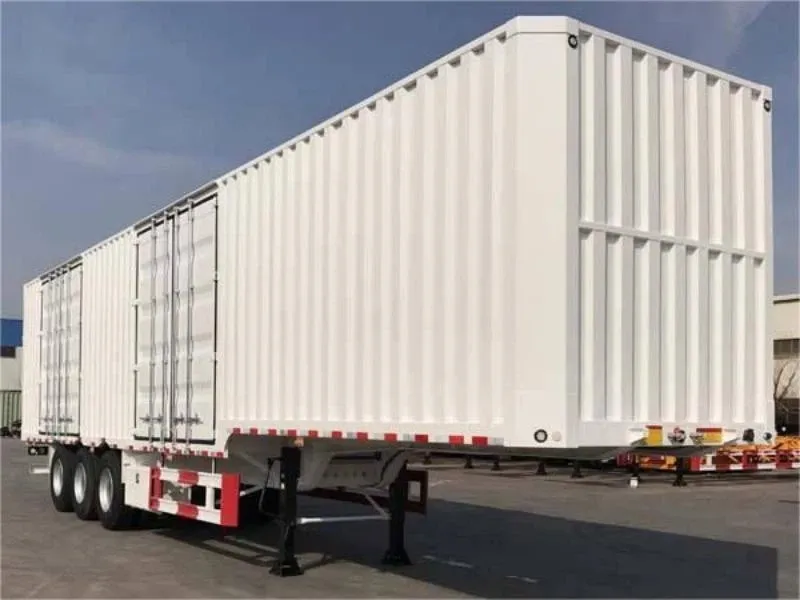
If you're in the market for different types of trailers, we also offer a variety of options. Check out our Fence Semi Trailer, which is great for transporting livestock or other loose items. The Van Semi Trailer provides enclosed protection for your cargo, while the Tri - Axle Low Bed Truck Semi Trailer is perfect for hauling heavy equipment.
Conclusion
Lubricating the moving parts of a Gooseneck Semi Trailer is a simple but essential maintenance task. By following these steps and using the right tools and lubricants, you can keep your trailer in great shape for years to come.
If you have any questions about lubrication or are interested in purchasing a new trailer, don't hesitate to reach out. We're here to help you make the best decisions for your hauling needs.
References
- Trailer Manufacturer's Manuals
- Industry Standards for Heavy - Duty Trailer Maintenance