


Why Choose Us
Extensive Product Range
We provide a wide range of high-quality products suitable for various industries. Whether you need machinery, raw materials, or finished products, we have it all. Our diverse product range ensures that you can find everything you need in one place, making your sourcing process more convenient and efficient.
Quality Assurance
We understand the importance of quality. All our products undergo stringent quality control measures to ensure they meet international standards. We work closely with reputable manufacturers and suppliers to guarantee the superior quality of our products. With us, you can be confident in the reliability and durability of your purchases.
Competitive Pricing
We strive to offer our customers the best value for their money. Our team is dedicated to negotiating competitive prices with our suppliers, allowing us to pass on cost savings to our clients. You can trust that our prices are reasonable and suitable for various budget requirements.
Efficient Logistics
We have a well-developed logistics system in place to ensure prompt and efficient delivery of your orders. Whether you are located locally or internationally, we can handle the logistics to ensure your products reach you on time and in perfect condition. Our experienced team prioritizes customer satisfaction and takes all necessary measures to ensure hassle-free shipping processes.
What is Van Semi Trailer?
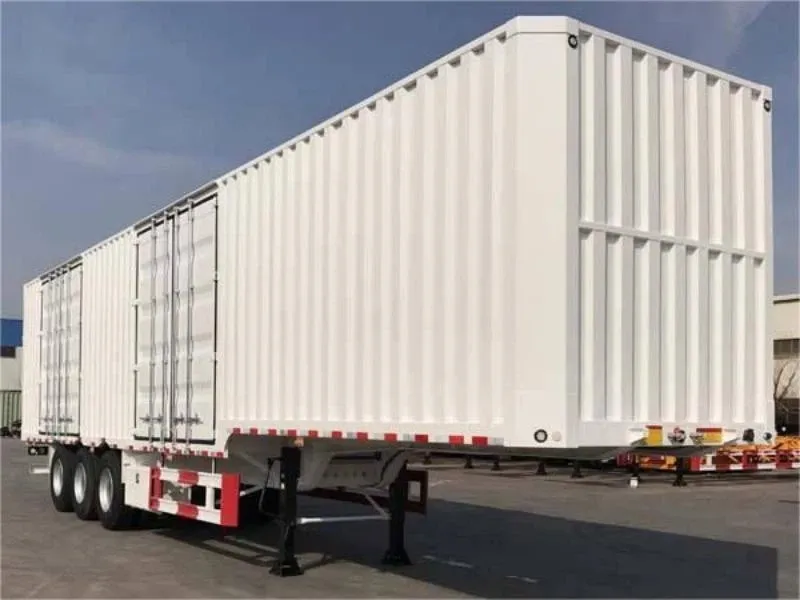
A Van Semi Trailer is a large, open-topped trailer that is typically used for transporting goods over long distances. And a van semi trailer is designed to be pulled by a semi-truck or tractor and can be detached for loading and unloading. The term "van" in this context refers to the enclosed box structure of the trailer, which provides protection for the cargo during transit.


Braking Systems: Modern Van Semi-Trailers are equipped with efficient braking systems that include ABS (Anti-Lock Braking System) to prevent wheel lockup and maintain steering control during emergency braking.
Lighting Arrangement: A van semi trailer is fitted with multiple lights, including headlights, tail lights, stop lights, turn signals, and marker lights, to improve visibility and communication intentions to other drivers.
Reflective Markings: High-visibility reflective stripes and decals are applied to the sides and rear of the trailer to increase visibility in low light conditions.
Fifth Wheel Coupling: The fifth wheel coupling provides a secure connection between the tractor and the trailer, minimizing the risk of separation during travel.
Emergency Escape Hatches: In case of an accident or fire, emergency escape hatches allow the driver and passengers to quickly exit the vehicle.
Fire Extinguishers: Fire extinguishers are typically mounted inside the cab or within easy reach of the driver to quickly address any fires that may occur.
Rear Guards: Also known as underride bars, these prevent cars from sliding underneath the trailer in the event of a collision from behind.
Proper Signage: The trailer is marked with the correct signage indicating the maximum weight it can carry and other important information.
Tire Pressure Monitoring: Some van semi trailers are equipped with systems that monitor tire pressure, alerting the driver to unsafe pressure levels.
Stability Control Systems: Advanced stability control systems help prevent rollover accidents by automatically reducing engine power and applying individual wheel brakes to help stabilize the trailer.
Safety Chains: In addition to the primary coupling mechanism, safety chains are connected between the tractor and trailer as a backup to prevent separation in case of failure.
Emergency Warning Devices: These may include reflective triangles or traffic cones to mark a stopped or disabled vehicle on the side of the road.
DOT Compliance: All safety features are compliant with the regulations set forth by the Department of Transportation (DOT) to ensure uniform standards across the industry.
Regular Inspections and Maintenance: Regular inspection and maintenance of these safety features are vital to ensure they are functional and ready to perform as intended.
Vehicle Structure Of Van Semi Trailer
Frame: The main support structure of the van semi trailer, often made of steel or aluminum, which provides the foundation for all other components. The frame includes cross members, longitudinal members, and possibly a subframe for additional support.
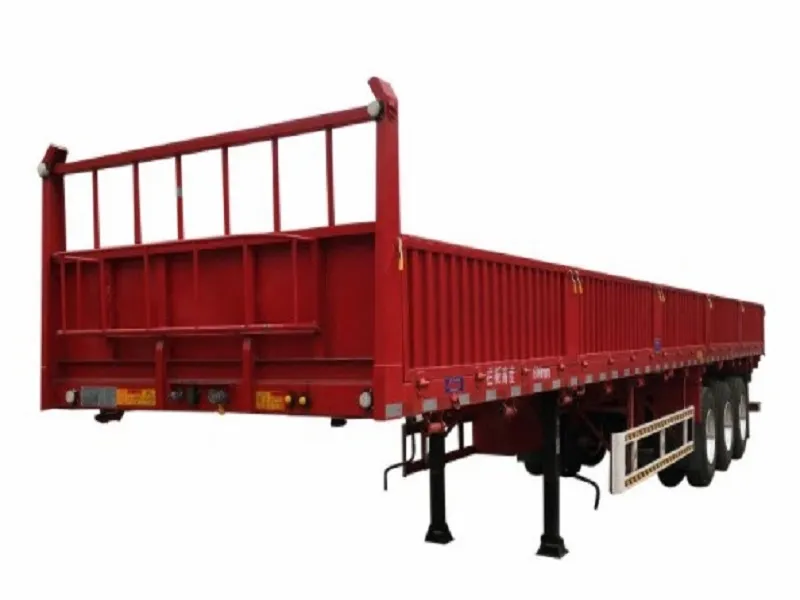
Decking: The surface on which cargo is loaded. It can be made of wood, composite materials, or metal panels and may have a raised or flush surface relative to the frame rails.
Sides and Curtains: The sides of the van semi trailer can be constructed of metal panels, fiberglass reinforced plastic (FRP) panels, or a combination. Curtains or tarps may also be used to cover the sides for added versatility.
Rear Door/Gate: The rear access point for loading and unloading cargo. Common types include roll-up doors, swing doors, and double doors that slide out.
Front Coupling: The area where the van semi trailer is connected to the tractor unit via the fifth wheel coupling. It includes a plate that rests on the tractor's fifth wheel and locking mechanisms to secure the connection.
Suspension System: Responsible for absorbing road shocks and supporting the van semi trailer's weight. There are various types, such as leaf spring, air ride, or rubber suspension systems.
Axles and Wheels: The axles support the weight of the trailer and are typically equipped with multiple wheels, which can be steel or lightweight aluminum.
Landing Gear: A mechanism, often hydraulic, used to support the front end of the trailer when it is uncoupled from the tractor.
Electrical System: Includes wiring, connectors, and lighting assemblies to power the trailer's lights and other electrical devices.
Insulation and Liner: Depending on the application, the interior of the van semi trailer may be insulated and lined with materials to protect the cargo from external temperature changes or to meet specific loading requirements.
Safety Chains: Backup safety measure that connects the trailer to the tractor with chains in case the primary coupling fails.
Reflectors and Decals: Used for increased visibility at night or in poor weather conditions.
DOT Compliance: The structure of the Van Semi-Trailer must comply with regulations set by the Department of Transportation (DOT) to ensure safety standards are met.
Weight Distribution: The structure of the Van Semi-Trailer is engineered to distribute weight evenly across the axles to prevent tipping and to maximize payload capacity.
Vents and Airflow: For proper ventilation of the cargo area, especially when transporting perishable goods that require temperature control.
Towing Connections: May include a pintle hook, ball hitch, or other towing connections for specialized applications.
Advantages of Van Semi Trailer
Versatility: Van Semi-Trailers can transport a wide variety of goods, from loose items to palletized cargo, making them suitable for many applications.
Large Cargo Capacity: With their box-like structure and open deck, these van semi trailers offer a significant amount of loading space, allowing for substantial payloads.
Easy Loading and Unloading: Features like rear doors or gates and a level deck make loading and unloading of cargo quick and straightforward.
Protection Against Weather: The enclosed structure of the van semi-trailer provides protection against rain, wind, dust, and extreme temperatures, ensuring the safety of the goods during transit.
Security: An enclosed structure offers additional security for high-value or sensitive cargo, preventing unauthorized access and theft.
Flexibility: The modular design allows for custom configurations based on specific transportation requirements, such as height clearances or specialized equipment for loading.
Efficient Use of Space: The rectangular shape allows for optimal use of available space, maximizing the volume of cargo that can be transported compared to non-enclosed trailers.
Less Restrictive Loading Options: Unlike tanker or flatbed trailers, van semi-trailers aren't limited to certain types of cargo, allowing for mixed loads and flexibility in loading configurations.
Lower Long-Term Costs: While initial investment may be higher than for flatbed or tanker trailers, the durability and versatility of van semi-trailers can result in lower long-term costs per load.
Regulatory Compliance: Enclosed trailers often meet regulatory standards for transporting hazardous materials, making them suitable for shipping goods that require special handling.
Less Damage to Cargo: The interior of the van semi trailer can be lined or padded to protect fragile items from shifting or damage during transport.
Improved Visibility: The reflective markings and lighting systems on the trailer enhance its visibility on the road, improving safety for both the driver and other motorists.
Wide Availability: Van semi-trailers are widely available for rental or purchase, offering flexibility in fleet planning and expansion.
Less Downtime: The standardization of van semi-trailers across manufacturers means parts are readily available, reducing maintenance downtime.
Adaptability to Seasonal Needs: The enclosed nature of the van semi trailer makes it suitable for transporting seasonal or specialty goods that require protection.
When referring to a standard Van Semi-Trailer, it is important to note that dimensions can vary based on regional regulations and specific manufacturers. However, a typical North American standard Van Semi-Trailer tends to have the following dimensions:
Length: The length of a standard Van Semi-Trailer is usually between 48 and 53 feet (approximately 14.6 to 16.2 meters).
Width: The width of such a van semi trailer is typically around 8.5 to 9 feet (approximately 2.6 to 2.7 meters).
Height: The maximum height usually ranges from 12 to 13 feet (approximately 3.7 to 4 meters), though it can vary based on the design and purpose of the trailer.
Deck: The deck, or the flat area where the cargo is placed, is typically 6 inches (around 15 centimeters) above the axle and has a surface width of around 102 inches (259 centimeters).
Door Opening: The rear doors of a Van Semi-Trailer usually have a height of around 8 feet (2.4 meters) and a width of approximately 9 feet (2.7 meters), allowing for easy loading and unloading of cargo.
Roof Structure: The roof is often arched or curved to support heavy loads and prevent sagging.
Material: The construction material varies, but common choices include steel for strength and durability, aluminum for lighter weight, and occasionally, composite materials for a combination of properties.
Weight Capacity: A standard Van Semi-Trailer is designed to carry heavy loads, with a capacity typically ranging from 40,000 to 80,000 pounds (18,143 to 36,287 kilograms).
Tare Weight: The weight of an empty trailer can vary but is typically between 12,000 to 20,000 pounds (5,443 to 9,072 kilograms).
Lighting: These van semi trailers are required to have appropriate lighting, including tail lights, brake lights, turn signals, and marker lights for safe nighttime operation.
Suspension: Most Van Semi-Trailers are equipped with a suspension system to provide a smoother ride and protect the cargo from harsh road conditions.
Axles: A typical Van Semi-Trailer might have two or three axles, each capable of carrying a certain amount of weight.
Tire Sizes: The tire sizes used on a Van Semi-Trailer are typically 295/75R22.5, 11R22.5, or other sizes depending on the load capacity and manufacturer specifications.
Safety Features: These van semi trailers can include tie-downs, cargo straps, and load security systems to prevent shifting during transit.
What are Van Semi-Trailers typically made of?
Van Semi-Trailers are typically constructed using a variety of materials chosen for their strength, durability, and ability to withstand the demands of heavy hauling. Here are some of the key materials and components commonly found in the construction of these trailers:
Steel: This is the primary material used in the construction of Van Semi-Trailers. It is used for the frame, which provides structural integrity and supports the weight of the cargo. Steel is known for its strength and affordability.
Aluminum: While steel is the most common material, aluminum alloys are sometimes used in the construction of lighter-duty trailers or for parts where weight reduction is desired. Aluminum is lighter than steel and offers good corrosion resistance.
Composite Materials: Some modern Van Semi-Trailers incorporate composite materials, which are a combination of materials that offer specific advantages such as increased strength-to-weight ratio and improved insulation properties.
Wood: Depending on the application, wooden flooring or wall panels may be used, particularly in dry van trailers where the cargo does not require climate control or special protection.
Reflective Markings: For safety and visibility, Van Semi-Trailers are often equipped with reflective markings that increase their visibility to other motorists, especially at night or in low-light conditions.
Lighting: Van semi trailers are equipped with a range of lighting fixtures, including headlights, tail lights, turn signals, and brake lights, to comply with road safety regulations and ensure visibility during operation.
Paints and Coatings: The exterior of Van Semi-Trailers is often coated with paint or specialized coatings to protect against corrosion, enhance appearance, and improve the trailer's longevity.
Glass: If the van semi trailer has windows or skylights, they are typically made of tempered glass that can withstand the rigors of transportation and resist breakage.
Rubber: Various rubber components, such as gaskets, seals, and weatherstripping, are used throughout the trailer to provide insulation, prevent leaks, and ensure a tight fit between doors and walls.
Plastic: Plastic materials are used in the interior lining of walls and floors in some cases to offer a smooth surface that is easy to clean and maintain.
Fasteners: Various types of bolts, screws, rivets, and welds are used to assemble the different components of the trailer and ensure they stay securely in place during transit.
Hydraulic Systems: If the van semi trailer has hydraulic landing gear or suspension components, those systems rely on hydraulic fluid and associated components to function properly.
Electrical Components: Wiring, fuses, and other electrical components are used to power the lighting and any other electrical systems on the trailer.
Safety Equipment: Various safety equipment such as fire extinguishers, emergency escape hatches, and first aid kits might also be installed on the trailer.
How do I maintain my Van Semi-Trailer?
Regular Inspections: Conduct thorough inspections before every trip to check for any visible damages or potential issues. Look for tears in the curtains, check the tires for wear and pressure, inspect the lights, and test the brakes.
Tire Maintenance: Regularly check the tire pressure and tread depth. Proper inflation helps improve fuel efficiency and ensures safer driving. Replace worn-out tires and keep a spare in case of emergencies.
Brake System: Regularly service the van semi trailer's braking system to ensure it works effectively. Check the brake fluid level and inspect the brake pads and rotors for wear. Replace brake parts as needed.
Electrical System: Test all lights, including headlights, tail lights, and turn signals, to ensure they are working correctly. Check the wiring harness for any damage and repair as necessary.
Frame and Body: Inspect the frame and body of the van semi trailer for signs of corrosion, dents, or structural issues. Minor damages should be repaired promptly to prevent further deterioration.
Suspension System: Service the suspension system regularly, checking for oil leaks and ensuring the suspension air bags or leaf springs are in good condition. Adjustments or replacements may be needed over time.
Landing Gear: Inspect the landing gear for any signs of malfunction, such as difficulty raising or lowering. Lubricate the gears regularly to maintain smooth operation.
Curtain and Door Maintenance: Keep the curtains clean and free from tears. Ensure the doors close properly and check the door seals for damage to maintain an airtight seal.
Interior Cleaning: Regularly clean the interior of the van semi trailer to prevent dirt buildup and potential damage to the cargo.
Grease Points: Lubricate all grease points regularly to reduce friction and prevent premature wear.
Emergency Equipment: Make sure emergency equipment, such as fire extinguishers and first aid kits, are fully stocked and in working order.
Records: Keep accurate maintenance records to track service intervals, parts replaced, and any issues encountered. This helps identify patterns and plan future maintenance needs.
Professional Services: Have a qualified mechanic or trailer service center perform major services, such as brake adjustments, suspension work, or frame repairs.
Winterization: Prepare the van semi trailer for winter by draining water from the system, applying rust inhibitors, and using antifreeze in the toilet and holding tanks (if applicable).
Our factory
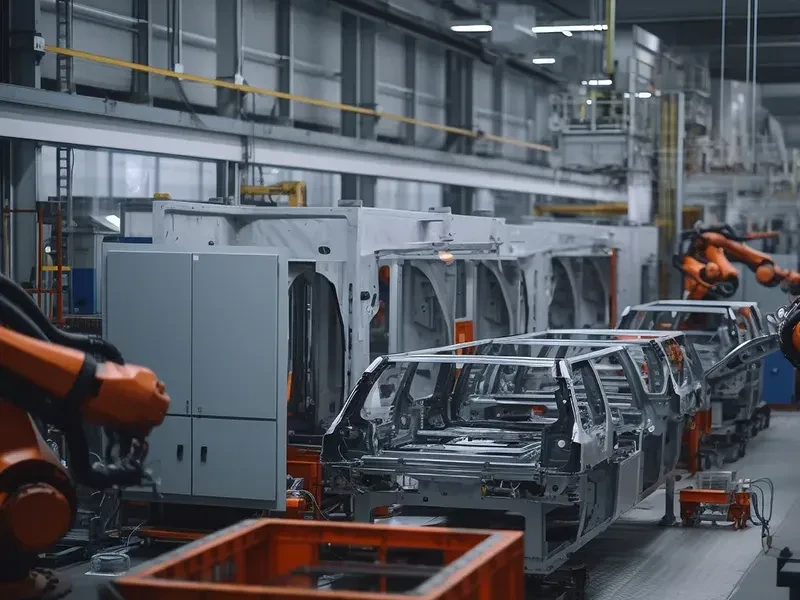
It has first -class CNC plasma automatic cutting machines, automatic arc welding machines, large bending machines, shear machines, corrugated board automatic imitation welding machines, semi-trailer Frame correction machines, and flippers. The professional two -dimensional drawing design software is used in product design to make refined drawing design for each car to strive to meet all the requirements of customers. The introduction of technical means such as advanced three -dimensional molding is introduced to carry out three -dimensional simulation calculations to make the design structure of semi-trailers more reasonable.
large enterprise scale
Efficient and precise processing and testing equipment.
Standardized Production
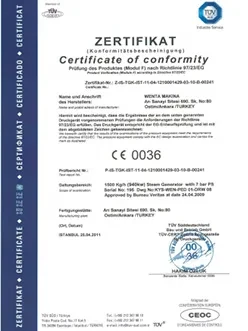
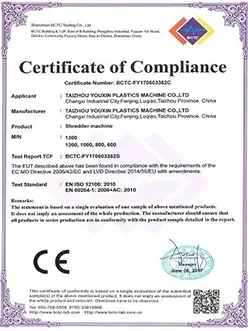
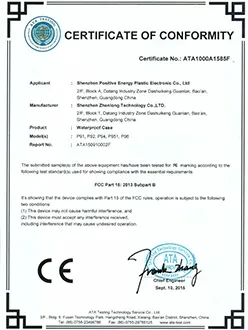
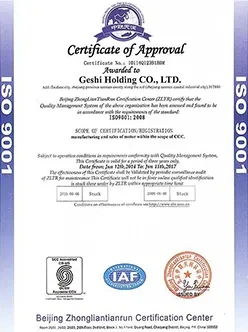
Passed ISO9001 certification and obtained relevant patent certificates.
High-Quality Customized Services
No intermediate links, providing one-stop service from design, processing, mold trial to mass production.
Certifications
Create a comprehensive solution for efficient human theft manag
Certificate name
Certificate name
Certificate name
Certificate name
Certificate name

Certificate name
FAQ
Hot Tags: van semi trailer, China van semi trailer manufacturers, factory, tandem axle cargo trailer, cargo trailer flooring, cargo trailer wheels and tires, cargo trailer with stainless steel accents, cargo trailer lighting kits, cargo trailer for box dealer


