Why Choose Us
Extensive Product Range
We provide a wide range of high-quality products suitable for various industries. Whether you need machinery, raw materials, or finished products, we have it all. Our diverse product range ensures that you can find everything you need in one place, making your sourcing process more convenient and efficient.
Quality Assurance
We understand the importance of quality. All our products undergo stringent quality control measures to ensure they meet international standards. We work closely with reputable manufacturers and suppliers to guarantee the superior quality of our products. With us, you can be confident in the reliability and durability of your purchases.
Competitive Pricing
We strive to offer our customers the best value for their money. Our team is dedicated to negotiating competitive prices with our suppliers, allowing us to pass on cost savings to our clients. You can trust that our prices are reasonable and suitable for various budget requirements.
Efficient Logistics
We have a well-developed logistics system in place to ensure prompt and efficient delivery of your orders. Whether you are located locally or internationally, we can handle the logistics to ensure your products reach you on time and in perfect condition. Our experienced team prioritizes customer satisfaction and takes all necessary measures to ensure hassle-free shipping processes.


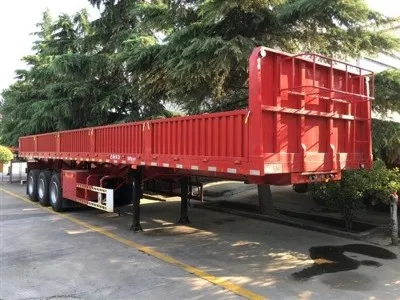
What is Flatbed Semi Trailer Tipper?
A flatbed semi-trailer tipper is a type of heavy-duty vehicle that is commonly used for transporting and dumping bulk materials such as gravel, sand, and coal. It consists of a flatbed semi-trailer with a tipping mechanism that allows the bed to be tilted and dumped, making it easier to unload the cargo without manually shoveling it out. The tipping mechanism is typically operated using hydraulic cylinders that lift the front of the bed while the rear is supported by the wheels, causing the load to slide off the back of the trailer. Flatbed semi-trailer tippers are versatile and can handle a wide range of materials and loads, making them popular in construction, mining, and agricultural industries.
Increased Efficiency: The tipping mechanism of a flatbed semi-trailer tipper makes it easy to unload bulky materials quickly and efficiently, reducing labor costs and increasing productivity.
Versatility: Flatbed semi-trailer tippers can carry a wide variety of materials, including gravel, sand, coal, and other loose materials, making them ideal for use in construction, mining, and agriculture industries.
Durability: These flatbed semi trailers are built with sturdy materials and designed to withstand harsh environments and heavy loads, ensuring they last longer and require less maintenance.
Easy Loading and Unloading: With a flatbed design, loading and unloading of materials is made easy as there are no obstacles or compartments to maneuver around.
Reduced Transportation Costs
Flatbed semi-trailer tippers can carry more weight than traditional dump trucks, resulting in fewer trips and reduced transportation costs.
Improved Safety
The tipping mechanism of a flatbed semi-trailer tipper ensures that the cargo is dumped away from the driver and other workers, minimizing the risk of accidents or injuries.
Customization
Flatbed semi-trailer tippers can be customized to suit specific requirements, such as adding side boards or extensions to increase carrying capacity or accommodate larger loads.
How long does it take to install a flatbed tipper semi-trailer?
Preparation Time: This involves unloading the flatbed tipper semi-trailer from the transport vehicle, preparing the worksite, and setting up necessary tools and equipment. Depending on the location, this step may take anywhere from 30 minutes to an hour.
Assembly of Major Components: The major components like the frame, axles, wheels, and hydraulic system are assembled. This stage typically takes several hours, ranging from 4 to 8 hours, depending on the intricacy of the assembly process.
Installation of Flatbed: The flatbed semi trailer is attached to the frame of the trailer. This includes bolting the flatbed onto the frame and making sure it is secure and level. This step may take an additional 1-2 hours.
Installation of Dumping Mechanism: The hydraulic cylinders, gears, and other components related to the dumping mechanism are installed. This stage can take between 2 to 4 hours, depending on the complexity of the mechanism.
Electrical Wiring: The wiring for the lights and other electrical components is completed. This step usually takes around 1-2 hours.
Testing and Adjustments: After all components are installed, the flatbed semi trailer is tested to ensure everything is functioning correctly. Any adjustments needed to optimize performance are made at this time. This step can take approximately 1-2 hours.
Painting and Finishing: If paint or a protective coating is applied to the trailer, this stage can add an extra 2-4 hours to the total installation time.
Process of Flatbed Semi Trailer Tipper
Loading
Bulky materials are loaded onto the flatbed of the semi-trailer using loading equipment such as forklifts or front loaders. The flatbed provides a spacious, open area for easy loading.
Transportation
The loaded trailer is then hitched to a tractor or truck and transported to the desired destination. During transportation, the hydraulic system maintains the stability of the load.
Arrival at Destination
Upon arrival at the unloading site, the tractor or truck disconnects from the flatbed semi-trailer. The flatbed semi trailer is positioned so that the dumping mechanism can be activated.
Activation of Dumping Mechanism
The hydraulic cylinders are engaged, causing the flatbed to tilt upwards at the front end while the rear end remains supported by the wheels. This action causes the materials to slide off the back of the flatbed semi trailer.
Unloading
As the materials are unloaded, they fall away from the driver and workers due to the tilting motion of the flatbed semi trailer. This design helps ensure safety during the unloading process.
Completion of Unloading
Once all materials have been unloaded, the hydraulic cylinders are disengaged, allowing the flatbed semi trailer to return to its original horizontal position. The flatbed semi trailer is then ready for another load.
Cleaning and Maintenance
After unloading, it's important to clean the flatbed to remove any residual materials. Regular maintenance checks should also be performed to ensure the hydraulic system and dumping mechanism are in good working condition.
Repetition
The process is repeated as needed, with the flatbed semi-trailer tipper continuing to transport and unload materials efficiently.
Chassis and Frame: The flatbed semi trailer has a sturdy steel chassis or frame that provides structural support and strength. The frame is designed to withstand heavy loads and the dynamic forces associated with tipping and transportation.
Axles and Suspension: The axles, typically two or more, support the weight of the flatbed semi trailer and its load. The suspension system absorbs road shocks and ensures a comfortable ride. It may include leaf springs, air suspension, or other types of suspension systems.
Wheels and Tires: The wheels attach to the axles and support the flatbed semi trailer's weight. The tires provide traction and must be able to handle the load capacity of the trailer. They are often reinforced for heavy-duty use.
Flatbed: The flatbed semi trailer is an essential component of the trailer where the materials are loaded. The flatbed semi trailer is typically made of durable steel and is designed to be flat and level to accommodate various types of cargo.
Dumping Mechanism: A key feature of a tipper trailer is the hydraulic dumping mechanism. It consists of hydraulic cylinders that are attached to the frame and bed. When activated, these cylinders lift the rear end of the bed, allowing the materials to slide off the back.
Hydraulic System: The hydraulic system powers the dumping mechanism. It includes a hydraulic pump, hoses, valves, and reservoir. The system is designed to efficiently control the lifting and tilting motion of the flatbed.
Lights and Electrical Components: The faltbed semi trailer is equipped with lights and other electrical components to ensure visibility and compliance with road regulations. These may include headlights, taillights, turn signals, and marker lights.
Braking System: A braking system is integrated into the flatbed semi trailer to control its movement and ensure safety. It may include service brakes, emergency brakes, and parking brakes.
Safety Features: Various safety features may be incorporated into the vehicle structure, such as safety chains, landing legs, and reflectors. These features enhance the stability and visibility of the flatbed semi trailer during transportation and when parked.
Customization Options: Depending on the application, flatbed semi-trailer tipters can be customized with features such as tie-down points, stake pockets, or tarping systems to suit specific requirements.
What kind of maintenance do I need to perform flatbed tipper semi-trailer?
Regular Inspections: Conduct thorough inspections of the flatbed semi trailer before each use to identify any potential issues or defects. Check for damages to the frame, tires, lights, and hydraulic system.
Tire Maintenance: Regularly inspect the tires for tread wear, punctures, and proper inflation. Replace or repair as needed to ensure safe and efficient operation.
Brake System: Inspect the brake system regularly to ensure it is functioning correctly. Adjust the brakes as needed and replace the brake pads when worn out.
Lights and Electrical Systems: Ensure all lights and electrical components are working properly. Check the wiring and replace any damaged components.
Hydraulic System: Regularly check the hydraulic system for leaks, corrosion, or blockages. Flush and change the hydraulic fluid according to the manufacturer's recommendations.
Grease and Lubrication: Apply lubrication to the hinges, bearings, and other moving parts to prevent rust and friction. Follow a regular lubrication schedule to maintain smooth operation.
Body and Frame Maintenance: Inspect the body and frame for signs of corrosion, dents, or structural issues. Repair or replace damaged components promptly to maintain the integrity of the flatbed semi trailer.
Dumping Mechanism: Regularly check and maintain the dumping mechanism to ensure proper function. Lubricate the gears and inspect the hydraulic cylinders for leaks.
Cleanliness: Keep the flatbed semi trailer clean and free from debris to prevent rust and corrosion. Washing the flatbed semi trailer with a high-pressure hose can help remove dirt and mud.
Winterization: Prepare the flatbed semi trailer for winter conditions by draining and flushing the hydraulic system, applying antifreeze to the water lines, and covering the flatbed semi trailer if it will be stored outside during the winter months.
How often should I replace the tires on my flatbed tipper semi-trailer?
Regular Inspections: It is recommended to perform regular inspections of the tires to assess their condition. This should be done before each trip or at least once a month.
Visual Inspection: During inspection, check for signs of wear, such as tread depth, punctures, bulges, or uneven wear patterns. Uneven wear may indicate issues with the alignment or suspension of the flatbed semi trailer.
Tread Depth: Most tires have tread wear indicators, which are small bars that run across the tread. When the tread reaches these bars, it is time to replace the tire. The minimum legal tread depth varies by region.
Mileage: As a general guideline, most commercial truck tires have a lifespan of approximately 150,000 to 200,000 kilometers (or 90,000 to 125,000 miles). This can vary based on driving conditions, load size, and tire quality.
Age: Even if the tread is not worn out, tires have a limited lifespan. Older tires can degrade due to aging and should be replaced every 5 to 7 years, regardless of tread condition.
Damaged or Unrepairable Tires: If a tire is damaged beyond repair, such as a large puncture, a sidewall cut, or a severe impact, it should be replaced immediately.
Rotation and Balancing: Regularly rotate and balance the tires to ensure even wear and extend their life. Rotation and balancing intervals depend on usage but are generally recommended every 10,000 to 20,000 kilometers (or 6,000 to 12,000 miles).
Record Keeping: Maintain records of tire replacement dates, mileage, and any significant events that might affect tire life.
Professional Advice: Consult with a qualified tire dealer or mechanic who can assess the condition of your tires and provide recommendations based on your specific situation.
Certifications


Our Factory
It has first -class CNC plasma automatic cutting machines, automatic arc welding machines, large bending machines, shear machines, corrugated board automatic imitation welding machines, semi-trailer Frame correction machines, and flippers. The professional two -dimensional drawing design software is used in product design to make refined drawing design for each car to strive to meet all the requirements of customers. The introduction of technical means such as advanced three -dimensional molding is introduced to carry out three -dimensional simulation calculations to make the design structure of semi-trailers more reasonable.


FAQ
Hot Tags: flatbed semi trailer tipper, China flatbed semi trailer tipper manufacturers, factory, Semi Trailer without Axle Generator, Semi Trailer Tipper 40 Tons, Tri Axle Goose Neck Flatbeb Trailer with Side Wall, Dropside Semi Trailer, Dump Semi Trailer, 3 Axles Flatbed Trailer with Side Wall