


As a supplier of Tri - Axles Flatbed Trailer Tippers, I've witnessed firsthand the growing demand for these versatile vehicles in various industries, from construction to logistics. One question that often comes up among potential buyers is, "What are the differences between a domestic and an imported Tri - Axles Flatbed Trailer Tipper?" In this blog post, I'll delve into the key distinctions to help you make an informed decision when purchasing.
Design and Build Quality
Domestic Tri - Axles Flatbed Trailer Tippers are typically designed to meet the specific needs and regulations of the local market. Manufacturers often focus on providing cost - effective solutions that are well - adapted to local road conditions, load requirements, and usage patterns. For example, in some regions with rough terrains, domestic trailers may be built with stronger suspension systems to withstand the impact.
On the other hand, imported Tri - Axles Flatbed Trailer Tippers usually come with a reputation for high - end design and superior build quality. Many international manufacturers have long - standing expertise and advanced manufacturing technologies. They often use high - grade materials, such as high - strength steel, which can result in a lighter yet more durable trailer. For instance, some European - made trailers are known for their precise engineering and aerodynamic designs, which can improve fuel efficiency and overall performance.
Cost and Pricing
Cost is a significant factor when choosing between a domestic and an imported Tri - Axles Flatbed Trailer Tipper. Domestic trailers generally have a more competitive price point. This is because they have lower production costs, including labor and transportation within the country. Additionally, domestic manufacturers may offer more flexible pricing options and discounts to attract local customers.
Imported trailers, however, tend to be more expensive. The cost of importing includes not only the price of the trailer itself but also shipping fees, import duties, and taxes. Moreover, the high - end features and quality associated with imported trailers contribute to their higher price tag. But it's important to note that in some cases, the long - term cost - effectiveness of an imported trailer may be justified by its durability and lower maintenance requirements.
Availability of Spare Parts and After - Sales Service
When it comes to spare parts and after - sales service, domestic Tri - Axles Flatbed Trailer Tippers have an advantage. Since they are locally produced, spare parts are usually readily available. Local manufacturers often have extensive distribution networks, which means that replacement parts can be sourced quickly and at a lower cost. In addition, domestic after - sales service teams can respond more promptly to customers' needs, reducing downtime in case of breakdowns.

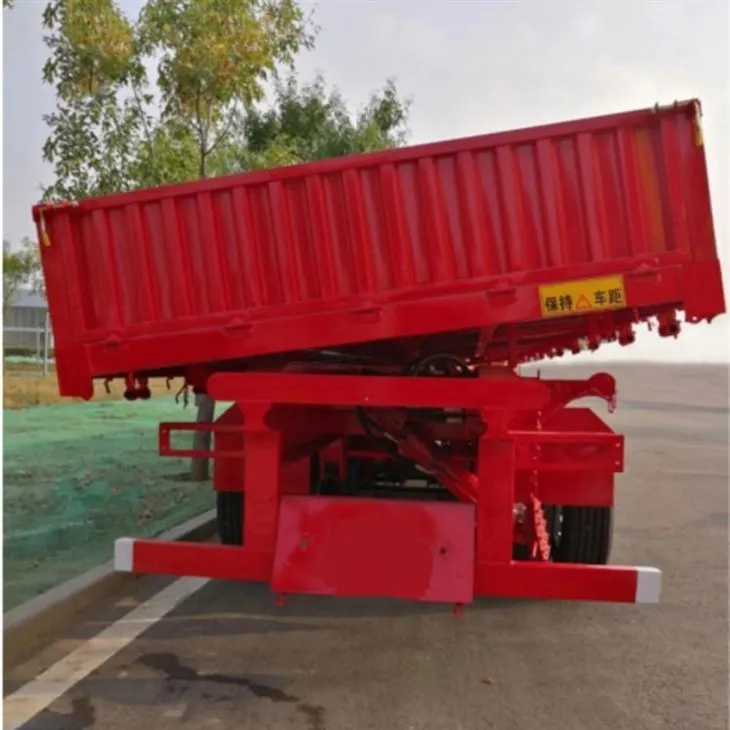
For imported trailers, obtaining spare parts can be more challenging and time - consuming. There may be delays due to shipping and customs clearance. Moreover, specialized technicians who are trained to service imported trailers may be less common in some areas. However, some international manufacturers are increasingly establishing local service centers and partnerships to address these issues.
Customization Options
Domestic manufacturers are often more willing to offer customized solutions to meet the unique requirements of local customers. They can easily adapt the design of the Tri - Axles Flatbed Trailer Tipper based on specific load capacities, body sizes, and additional features. For example, a construction company may require a trailer with a special tipping mechanism or a specific type of cargo restraint system, and a domestic manufacturer can usually accommodate these requests.
Imported trailers, while they may offer a certain level of standard customization, may have more limitations. International manufacturers often follow standardized production processes to ensure consistency across their product lines. However, some high - end imported brands do offer extensive customization options, but this may come at an additional cost and longer lead times.
Regulatory Compliance
Both domestic and imported Tri - Axles Flatbed Trailer Tippers need to comply with relevant regulations. Domestic trailers are designed to meet local safety, environmental, and transportation regulations. This ensures that they can operate legally on local roads and in local industries. For example, in some countries, trailers must meet specific emission standards and load - limit regulations.
Imported trailers also need to comply with local regulations, but there may be some additional steps involved in the certification process. Manufacturers may need to make adjustments to the trailer's design or equipment to meet the local requirements. It's crucial for buyers to ensure that the imported trailer they are considering has all the necessary approvals and certifications.
Performance and Efficiency
In terms of performance, imported Tri - Axles Flatbed Trailer Tippers may have an edge in some aspects. As mentioned earlier, their advanced designs and high - quality components can result in better fuel efficiency, smoother operation, and higher payload capacities. For example, some imported trailers are equipped with advanced hydraulic systems that can provide faster and more precise tipping operations.
Domestic trailers, however, are designed to perform well in local conditions. They are often optimized for the typical loads and terrains in the region. For instance, a domestic trailer may be better suited for off - road construction sites with its robust suspension and powerful engine.
Examples of Tri - Axles Flatbed Trailer Tippers
If you're interested in exploring different types of Tri - Axles Flatbed Trailer Tippers, here are some relevant links:
- 3 Axles Semi Trailer Tipper: This link provides more information about 3 - axles semi - trailer tippers, which are a popular choice in many industries.
- Flatbed Semi Trailer Tipper: Here, you can learn about flatbed semi - trailer tippers, which offer flexibility in loading and unloading various types of cargo.
- 40ft Tri - Axle Flatbed Trailer Tipper: This link is for those interested in 40 - foot tri - axle flatbed trailer tippers, which are suitable for larger - scale transportation and construction projects.
Conclusion
In conclusion, the choice between a domestic and an imported Tri - Axles Flatbed Trailer Tipper depends on various factors, including your budget, specific requirements, and long - term goals. Domestic trailers offer cost - effectiveness, easy access to spare parts, and local customization options, while imported trailers provide high - end quality, advanced features, and potentially better performance.
If you're in the market for a Tri - Axles Flatbed Trailer Tipper, I encourage you to contact me for more detailed information and to discuss your specific needs. I'm here to help you make the best decision for your business. Whether you're looking for a reliable domestic trailer or a high - performance imported one, I can provide you with the right solutions and support.
References
- Industry reports on the Tri - Axles Flatbed Trailer Tipper market.
- Interviews with domestic and international trailer manufacturers.
- Technical specifications provided by trailer manufacturers.